Sleep Time Caluculator
SLEEP CYC
OPTIMAL RECOVERY ANALYZER
* 90-min biological cycles minimize grogginess.
* Includes 15-min sleep onset window.
ALIGNMENT FOR PEAK PERFORMANCE
What is a Sleep Cycle?
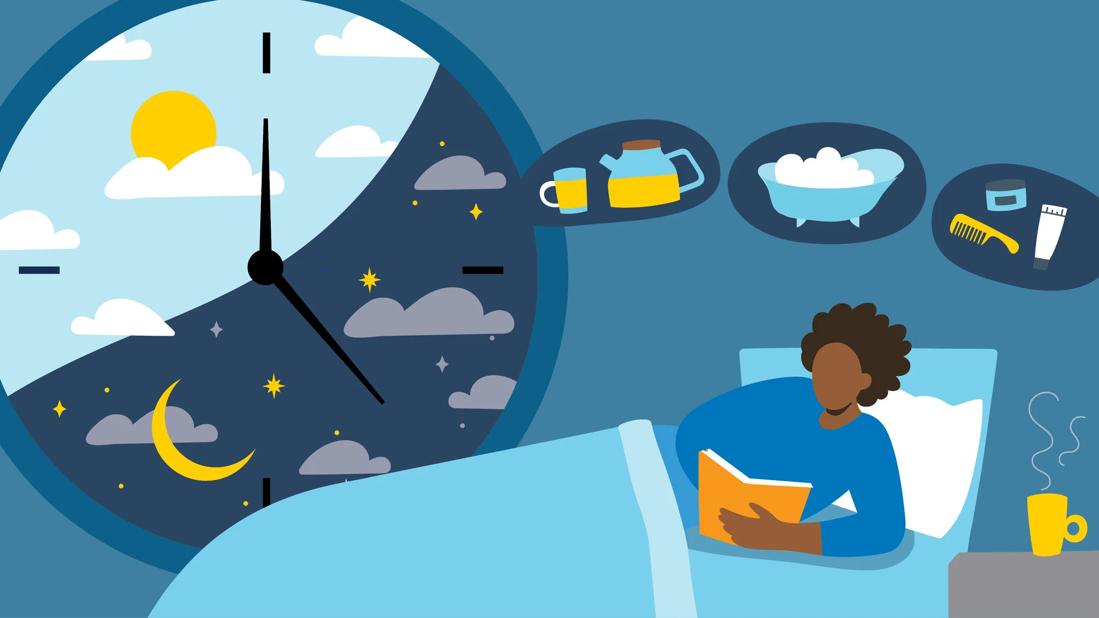
A sleep cycle is one complete loop of the five stages of sleep your brain goes through every night — from light sleep to deep sleep and REM (dreaming) sleep. Each cycle lasts about **90 minutes** on average, and adults typically complete **4–6 cycles** per night (6–9 hours total).
- ✓ Includes light sleep, deep sleep and REM stages
- ✓ Deep sleep repairs body & muscles — most in first half of night
- ✓ REM sleep supports brain function, memory & mood — longer in second half
- ✓ Waking at the end of a cycle (not mid-cycle) helps you feel refreshed
Best Sleep Cycles by Age
The ideal number of sleep cycles (each ~90 minutes) changes with age because sleep needs and deep/REM distribution shift over a lifetime. Waking at the end of a cycle (not mid-cycle) helps you feel refreshed and alert.
- ✓ Newborns (0–3 months): 4–6 cycles/night (14–17 hrs total sleep)
- ✓ Infants (4–11 months): 4–5 cycles/night (12–15 hrs total)
- ✓ Toddlers (1–2 years): 4–5 cycles/night (11–14 hrs total)
- ✓ Preschool (3–5 years): 4–5 cycles/night (10–13 hrs total)
- ✓ School-age (6–13 years): 5 cycles/night (9–11 hrs total)
- ✓ Teens (14–17 years): 5–6 cycles/night (8–10 hrs total)
- ✓ Adults (18–64 years): 5–6 cycles/night (7–9 hrs total)
- ✓ Older adults (65+): 4–5 cycles/night (7–8 hrs total, lighter sleep)
Low Sleep (3–4 Hours) & Daytime Sleep
Sleeping only 3–4 hours per night (2–3 cycles) is considered severe sleep deprivation for adults. Daytime naps can help recover somewhat, but they don’t fully replace nighttime sleep. Here’s what science says about both.
- ✓ 3–4 hours = severe deprivation — only 2–3 cycles, missing most deep & REM sleep
- ✓ Effects: impaired focus, memory, mood, immunity, higher accident risk, hormone imbalance
- ✓ Long-term: increases risk of obesity, diabetes, heart disease, depression
- ✓ Daytime naps (20–90 min): help recover alertness & performance, but don’t fix chronic short sleep
- ✓ Best nap length: 20–30 min (light sleep) or 90 min (full cycle) — avoid mid-cycle wake