Health BMI Caluculator
VITALS LAB
BODY MASS INDEX ANALYZER
*The Oat BIOMETRIC STANDARD
What is BMI?
Body Mass Index (BMI) is a simple, quick, and widely used screening tool that estimates body fat based on your height and weight. It helps categorize whether a person has a healthy body weight or falls into underweight, overweight, or obese ranges.
- ✓ Formula: BMI = weight (kg) / height (m)²
- ✓ Developed as a population-level indicator (not perfect for individuals)
- ✓ Used by WHO, CDC, NHS, and most health organizations worldwide
- ✓ Quick, low-cost way to screen for weight-related health risks
BMI Categories (WHO / CDC)
These standard adult categories help indicate potential weight-related health risks. BMI is a screening tool — not a direct diagnosis of body fat or health.
- ⬤ Underweight: < 18.5
- ⬤ Normal weight: 18.5 – 24.9
- ⬤ Overweight: 25 – 29.9
- ⬤ Obese: ≥ 30 (Class I: 30–34.9, II: 35–39.9, III: ≥40)
How to Maintain a Healthy BMI
Maintaining a healthy BMI (18.5–24.9) involves sustainable lifestyle habits rather than quick fixes. Focus on balanced nutrition, regular movement, portion awareness, hydration, and consistency. Small, steady changes lead to long-term success and lower health risks.
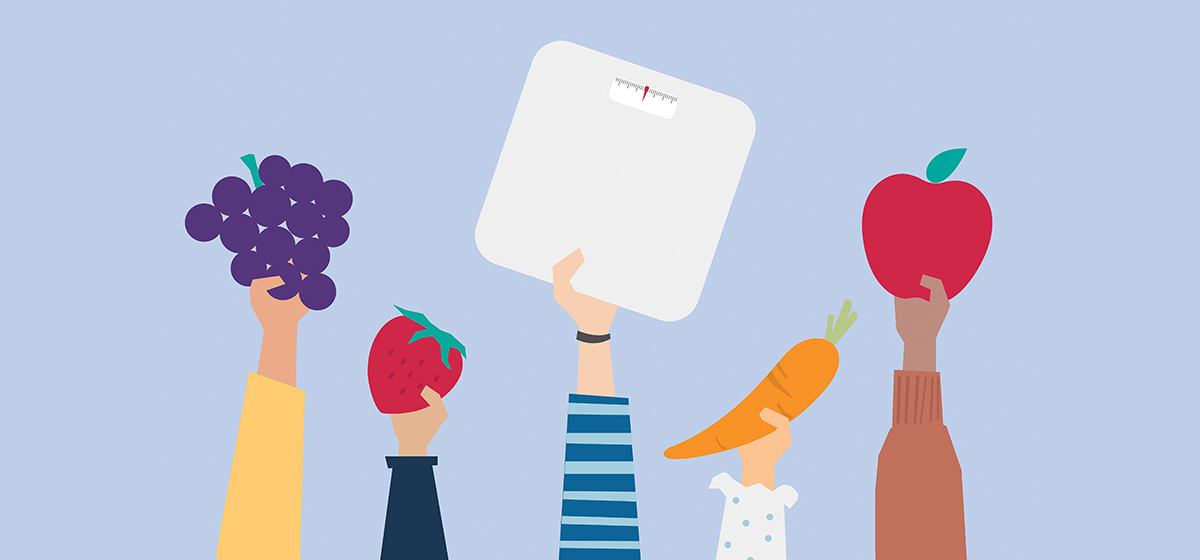
- ✓ Eat a balanced diet rich in fruits, vegetables, whole grains, lean proteins & healthy fats
- ✓ Stay physically active — aim for at least 150 minutes of moderate exercise per week
- ✓ Practice portion control & mindful eating (avoid oversized servings)
- ✓ Drink plenty of water & limit sugary drinks & processed foods
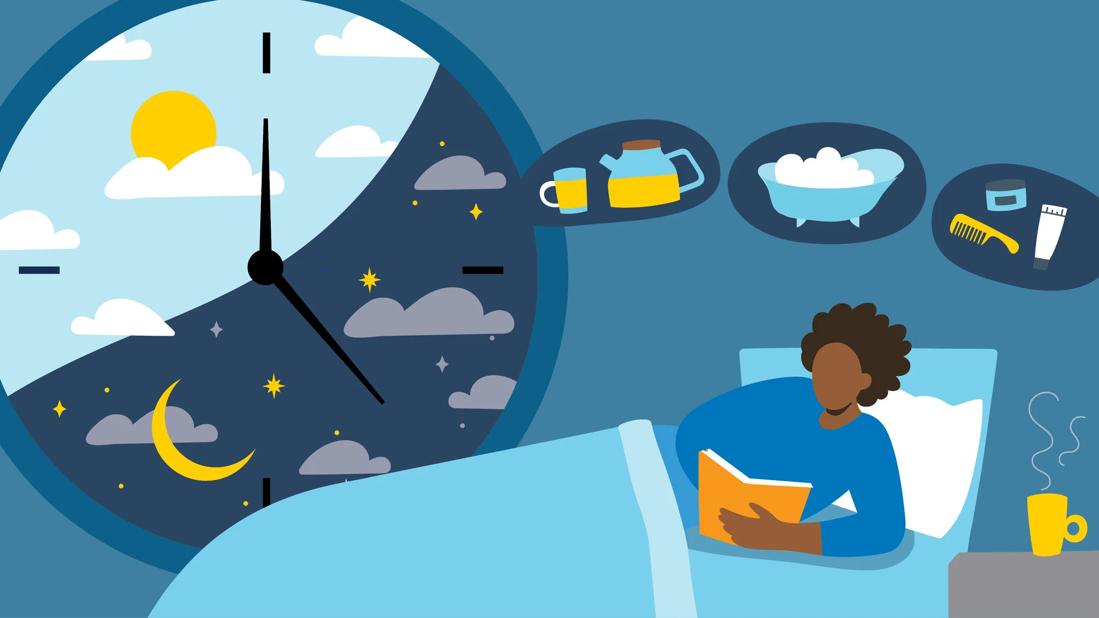
- ✓ Get enough sleep & manage stress — both affect hunger & weight
- ✓ Track progress gradually (aim for 0.5–1 kg change per week if needed)
Practical Daily Tips to Keep BMI Healthy
These evidence-based habits (from WHO, CDC, NHS & heart health guidelines) help most people maintain or reach the healthy range sustainably.
- 1 Eat mostly whole foods: Fill half your plate with vegetables & fruits, add lean protein & whole grains
- 2 Move regularly: Walk 10,000 steps/day or do 150–300 min moderate activity/week (brisk walking, cycling, swimming)
- 3 Control portions & avoid mindless snacking — use smaller plates & eat slowly
- 4 Drink water first — aim for 2–3 liters/day & replace sugary drinks
- 5 Sleep 7–9 hours & reduce stress — poor sleep increases hunger hormones
+ Movement
= Healthy BMI