
Select Your Motion Calculator
Distance

Displacement

Speed

Velocity

Acceleration

Deceleration
Displacement-Time Graph

Velocity-Time Graph
Gravitational Acceleration (g)
What is Motion?
The continuous change in position of an object over time relative to a reference point.
Distance: How far it moved.
Direction: Where it's headed.
Time: How long it took.
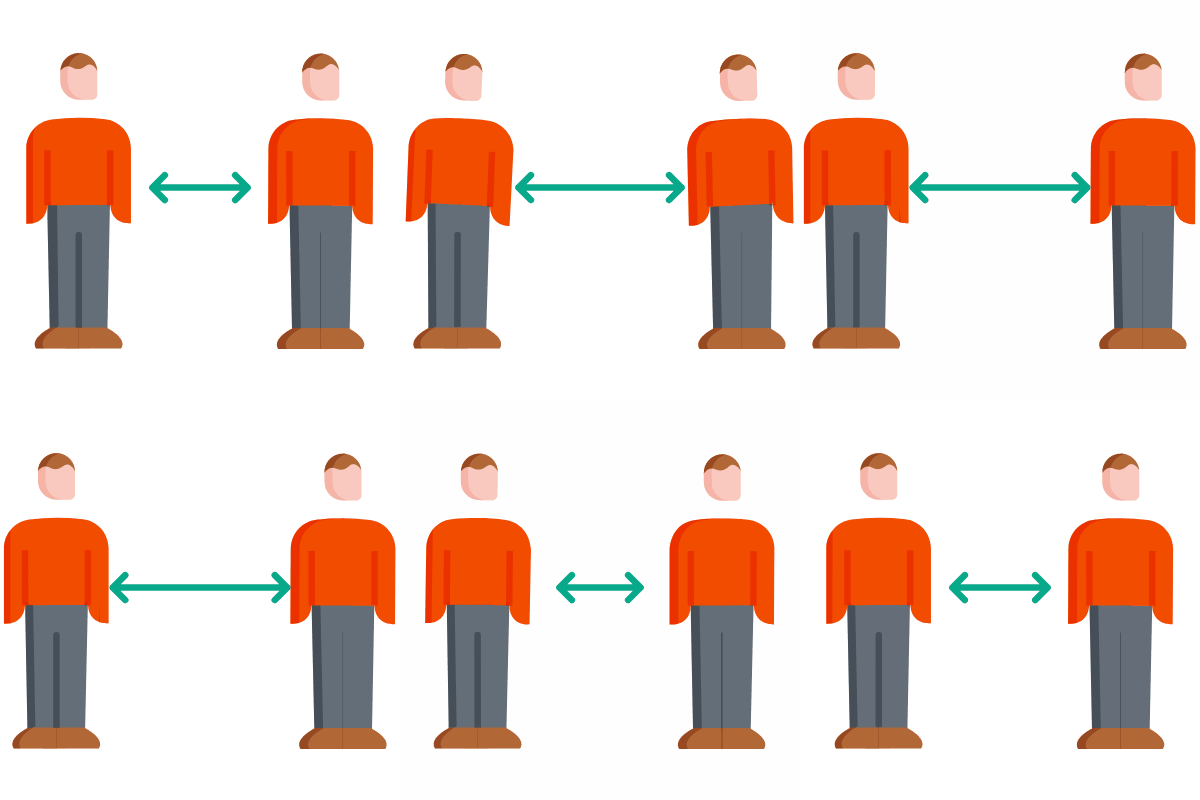
Distance
The total length of the path traveled by an object, regardless of its direction.
Scalar: Magnitude only.
Path-Dependent: Every turn counts.
Positive: Cannot be negative.
Displacement
The straight-line change in position from the starting point to the end point.
Vector: Has size and direction.
Shortest Path: "As the crow flies."
Zero: If you return to start.
Velocity
The rate at which an object changes its position in a specific direction.
Vector: Speed + Direction.
Formula: Displacement / Time.
Change: Changes if speed OR direction changes.
Deceleration
The process of slowing down, where acceleration occurs in the opposite direction of motion.
Negative Value: Often expressed as -a.
Opposing Force: Like friction or braking.
Final Velocity: Lower than the initial velocity.
Acceleration
The rate at which an object changes its velocity over a specific interval of time.
Vector: Includes both magnitude and direction.
Change: Occurs if speed or direction changes.
Unit: Measured in meters per second squared (m/s²).
Speed
The rate at which an object covers distance, measuring how fast an object is moving.
Scalar: It has magnitude only (no direction).
Calculation: Total Distance / Time Taken.
Nature: Always a positive value or zero.
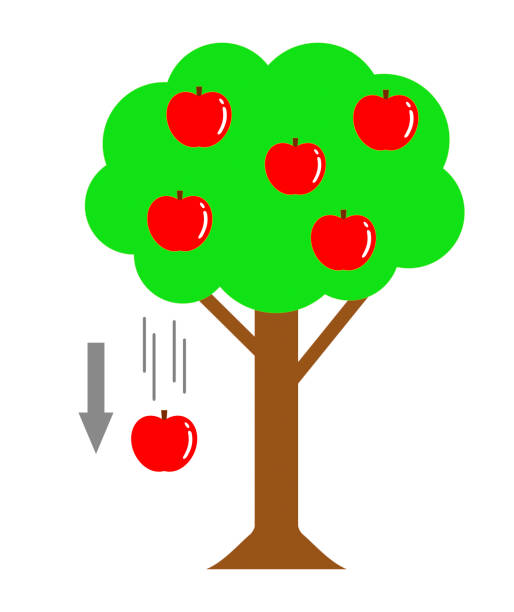
Gravitational Accel.
The acceleration an object gains due to the force of gravity exerted by a massive body.
Earth's Value: Approximately 9.8 m/s².
Uniformity: All objects fall at this rate (ignoring air resistance).
Direction: Always directed toward the center of mass.
MOTION MASTER
VELOCITY READY 🚀
50-Item Grand Paper: Straight Line Motion & Equations
