Photosynthesis Yield Caluculator
PHOTOSYNTHESIS
GRAMS PER HOUR (G/H)
Optimal Growing Conditions
Photosynthesis
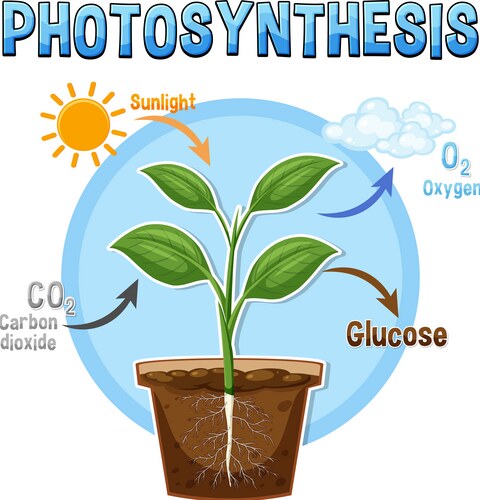
The Solar Conversion. Photosynthesis is the process by which green plants use sunlight to synthesize nutrients. It is the bridge between Cosmic Energy and Biological Life.
- ☀️ Photon Capture: Absorbing light via Chlorophyll.
- ☁️ Carbon Fixation: Scrubbing CO2 from the air.
- 🍬 Glucose Synthesis: Creating high-density energy.
Glucose
The Life Currency. Glucose is the chemical energy produced by photosynthesis. It is the fundamental fuel that drives cellular metabolism and the primary Energy Carrier for the biosphere.
- 🍬 C₆H₁₂O₆: The precise atomic formula of life.
- 🍬 Blood Sugar: The essential fuel for human brains.
- 🍬 Energy Storage: Compressed solar power in solid form.
The Yield
Net Production. Photosynthesis yield is the final accumulation of dry matter. It represents the balance between Carbon Gain (daytime) and Energy Loss (nighttime).
- 📊 Biomass Ratio: How much sunlight becomes "Food."
- 📊 Harvest Index: The % of the plant that is actually useful.
- 📊 Yield Bottlenecks: Heat stress and CO₂ limits.
Climate Control
The Survival Balance. Thermal regulation is the plant's ability to maintain optimal temperatures for enzyme function, while CO2 Regulation ensures the carbon supply never drops below the critical threshold.
- 🌡️ Transpiration Cooling: Pumping water to drop leaf temp.
- 💨 Stomatal Conductance: Managing the gas-to-water trade-off.
- 🛑 Heat Inhibition: Shutting down to prevent enzyme death.
Yield Rate
Metabolic Velocity. The Biomass Yield Rate is the heartbeat of an ecosystem. It measures the Net Carbon Gain per unit of time, defining how quickly a landscape can regenerate.
- 📈 g/m²/day: The metric of biological productivity.
- 📈 NPP Velocity: Total gain minus metabolic cost.
- 📈 Peak Oat: The moment of maximum solar capture.
Using the Yield Calculator
This tool simulates real-world plant metabolism. To get an accurate Biomass Yield Rate, follow these three steps to calibrate your environment:
Enter the photon count reaching your leaves. Higher light increases potential but raises cooling demand.
Warm air (25-30°C) requires higher CO₂ levels to prevent metabolic stall and maximize enzyme speed.
Check the Efficiency %. If it's low, your light is too high for your CO₂—adjust until the "Status" is Active.
TEMP: 28°C