Static Friction
STATIC FRICTION
THE FORCE OF RESISTANCE
Self-Adjusting Force
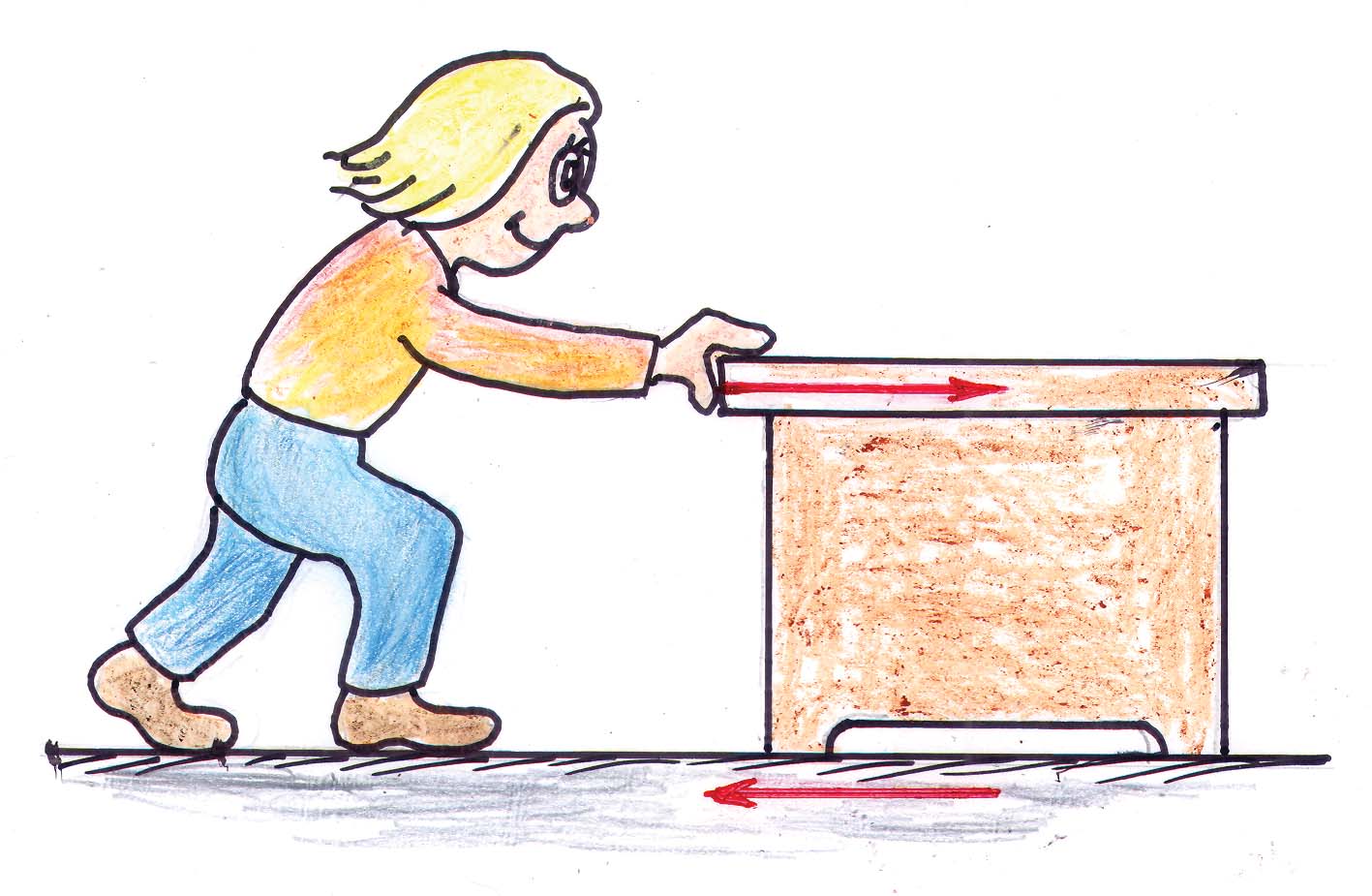
Static friction is a force that keeps an object at rest. It must be overcome before the object can move.
Threshold of movement.
Depends on roughness.
Inertia Sync
Resistance Mapping. Monitoring the Static Friction Buffer to track the breakout interface of stationary loads.
- 🔒 Lock: Interlocking Asperity Sync.
- 📈 Threshold: μs · Normal Force Buffer.
- ⚖️ State: Zero-Velocity Equilibrium Protocol.
Formula Sync
Threshold Mapping. Monitoring the μs · N Buffer to track the static equilibrium interface of physical loads.
- μs Coefficient: Surface Grippiness Sync.
- N Normal: Perpendicular Pressure Buffer.
- ↔️ Vector: Opposing Motion Protocol.
Reactive Sync
Adjustment Mapping. Monitoring the Self-Adjusting Buffer to track the reactive interface of static loads.
- 🔄 Logic: Equal and Opposite Response Sync.
- 📈 Scaling: Linear Growth Buffer (to fs,max).
- ⚖️ State: Dynamic Equilibrium Protocol.
Paper
FRICTION FIELD SCAN 🛷
Randomized: 5 Questions from our 50-item Mechanics Bank.
Sources
MAXIMUM THRESHOLD
The maximum static friction . If your push is less than this value, the object won't budge.
LIMITING FRICTIONSELF-ADJUSTING
Unlike kinetic friction, static friction is a "smart" force. If you push with 5N, it pushes back with 5N. It only hits its maximum value right before motion starts.
EQUILIBRIUMMICRO-WELDS
At the atomic level, surfaces "weld" together temporarily. Static friction is usually higher than kinetic friction because these bonds are stronger when stationary.
SURFACE SCIENCE