The Oat Banner

Human Reaction

🧠 NEURAL LINK SYNCED

NEURO-REFLEX

MULTI-FEATURE COGNITIVE ANALYZER

TAP TO START NEURAL SCAN
INITIALIZE SENSORS
LATEST
--
MS
AVERAGE
--
5-TRIAL AVG
RECORD
--
PERSONAL BEST
EST. BRAIN AGE
--
COGNITIVE LOAD
Stable
NEURO-DIAGNOSIS PENDING
Complete at least 3 trials to unlock full cognitive profiling and age estimation.
SESSION HISTORY
science
ASK NEWTON AI
Cognitive Velocity

Reaction Time

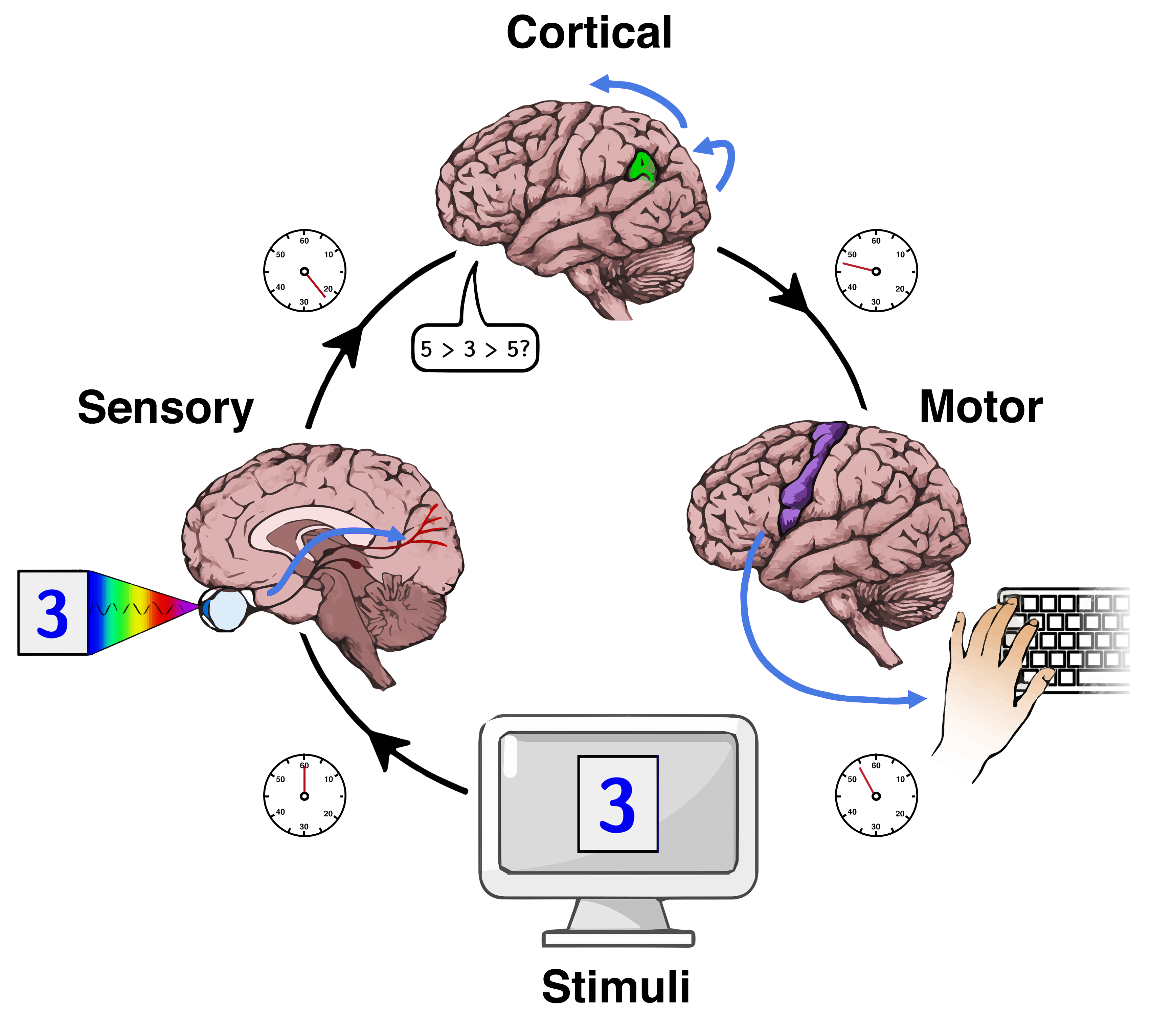
Human reaction time is the processing lag of the brain. It represents the time taken for your biological "computer" to detect a change in the environment and execute a command.

  • Visual: Average ~250ms (0.25s).
  • Auditory: Average ~170ms (0.17s).
  • Elite Athletes: Can reach speeds under 150ms.
NEURAL LATENCY TEST

NEURAL LATENCY TEST
250 ms
AVERAGE RESPONSE
SYSTEM STATUS PROCESSING...
STIMULUS → RESPONSE

Peak Performance

Optimal Neural Velocity

The "best" brain speed is characterized by Neural Efficiency. It’s not just about being fast; it’s about the signal traveling the shortest possible path without interference.

  • Sub-200ms: The benchmark for elite cognitive and physical readiness.
  • Myelination: Thicker nerve insulation allows for 10x faster signal speeds.
  • Minimum Lag: Achieved through intense focus and "Muscle Memory."
NEURAL OVERDRIVE
NEURAL OVERDRIVE
150ms
PEAK PERFORMANCE
ZERO LATENCY STATE

Neural Latency

Reaction Time

It is the measure of how quickly an organism can respond to a stimulus. In humans, this is influenced by biological wiring and environmental factors.

  • Visual Speed: Average ~250ms.
  • Auditory Speed: Average ~170ms.
  • Synaptic Delay: The time taken for signals to cross gaps between neurons.
SIGNAL VELOCITY


Neural Latency
250 ms
PROCESSING GAP
NEURAL STATUS ACTIVE TRANSMISSION
STIMULUS → RESPONSE

Survival Metrics

The Safety Margin

Reaction time is the "Invisible Buffer" in our lives. Understanding it allows us to compensate for our biological limitations in dangerous situations.

  • Emergency Braking: Faster response equals shorter stopping distance.
  • Neural Health: Tracks how well your brain is communicating with your body.
  • Risk Management: Helps you decide when you are too tired to drive or operate gear.
CRITICAL RESPONSE TIME
LAG = DISTANCE
TIME ELAPSED: 250ms
SAFETY MARGIN ANALYSIS

Code Architecture

How it Calculates

The system uses the High-Resolution Time API to measure the gap between the color change and your touch event.

DATA SYNCING...