The Oat Banner

Coral Reefs

Reef Bleach Guard

ULTIMATE ECO-SYSTEM ANALYZER

Risk Status
STABLE
Recovery Est.
Impact Severity: 0%
Conditions are optimal. Corals are thriving.
28°C

GLOBAL REEF STRESS ALGORITHM • 2026 EDITION

science
ASK NEWTON AI

What is a Coral Reef?

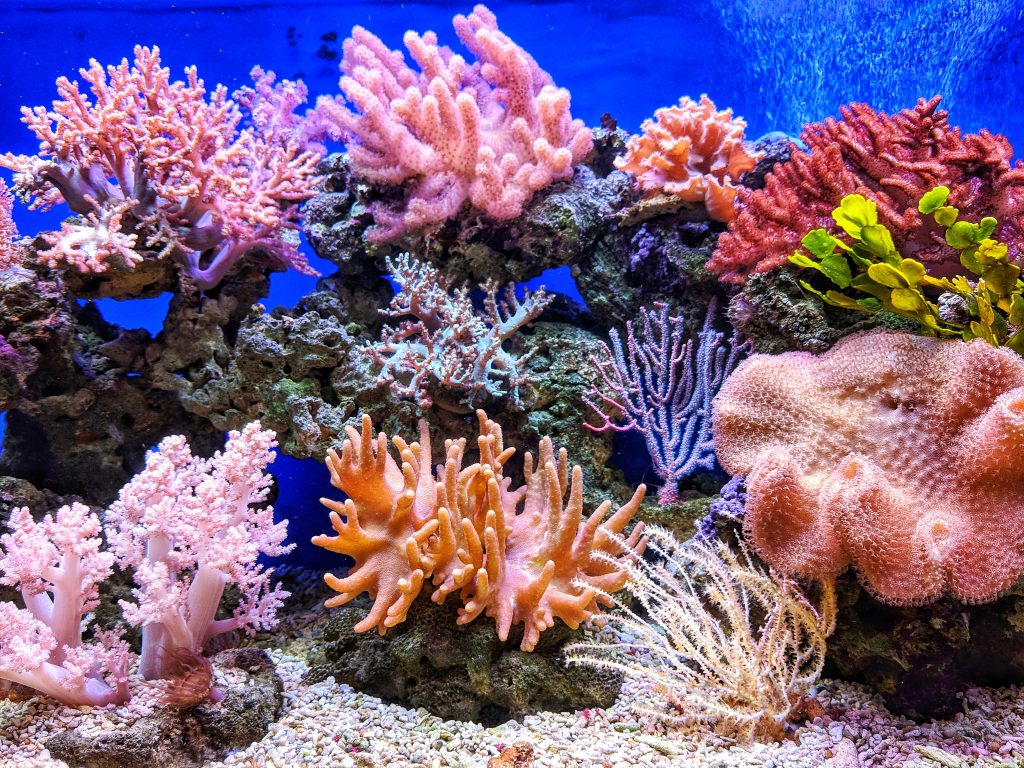
A Coral Reef is a massive underwater structure built by tiny living creatures called Coral Polyps. Known as the "Rainforests of the Sea," they provide a home for 25% of all marine life.

The Biological Process:

  • 🪸 Symbiosis: Corals live with algae called Zooxanthellae, which give them food and color.
  • 🦴 Calcification: Polyps extract calcium from seawater to build hard protective skeletons.
  • 🛡️ Coastal Shield: Reefs act as natural barriers, protecting shores from powerful waves and storms.
BIOLOGICAL SYSTEM
REEF DYNAMICS
NEURAL LATENCY TEST
Ecosystem Status:
STABLE SYMBIOSIS
CALCIFICATION IN PROGRESS

What is Coral Bleaching?

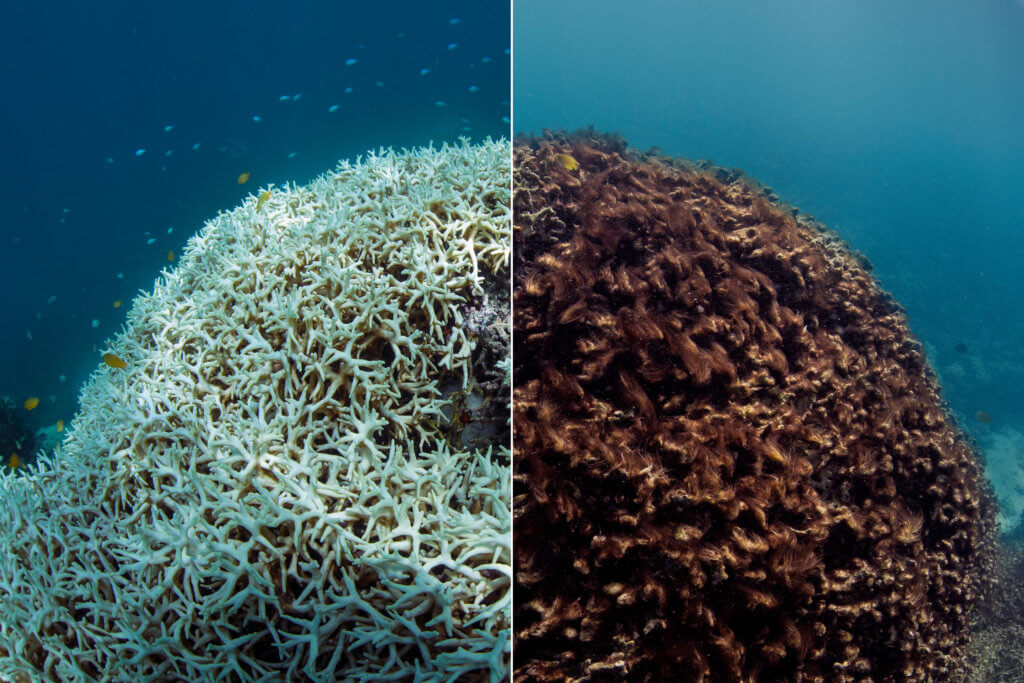
Coral Bleaching happens when corals lose their vibrant colors and turn white. This is not the coral dying immediately, but a sign that it is under extreme stress and starving.

The Breaking Point:

  • 🌡️ Heat Stress: When water temperature rises, corals become stressed.
  • 🚫 Expulsion: The coral polyp is forced to kick out its partner algae.
  • 🦴 Starvation: The white skeleton shows through as the coral loses its food source.
SYSTEM ALERT
BLEACHING EVENT
Coral Bleaching
Current State:
LOSS OF ZOOXANTHELLAE
THERMAL STRESS DETECTED

Understanding the Metrics

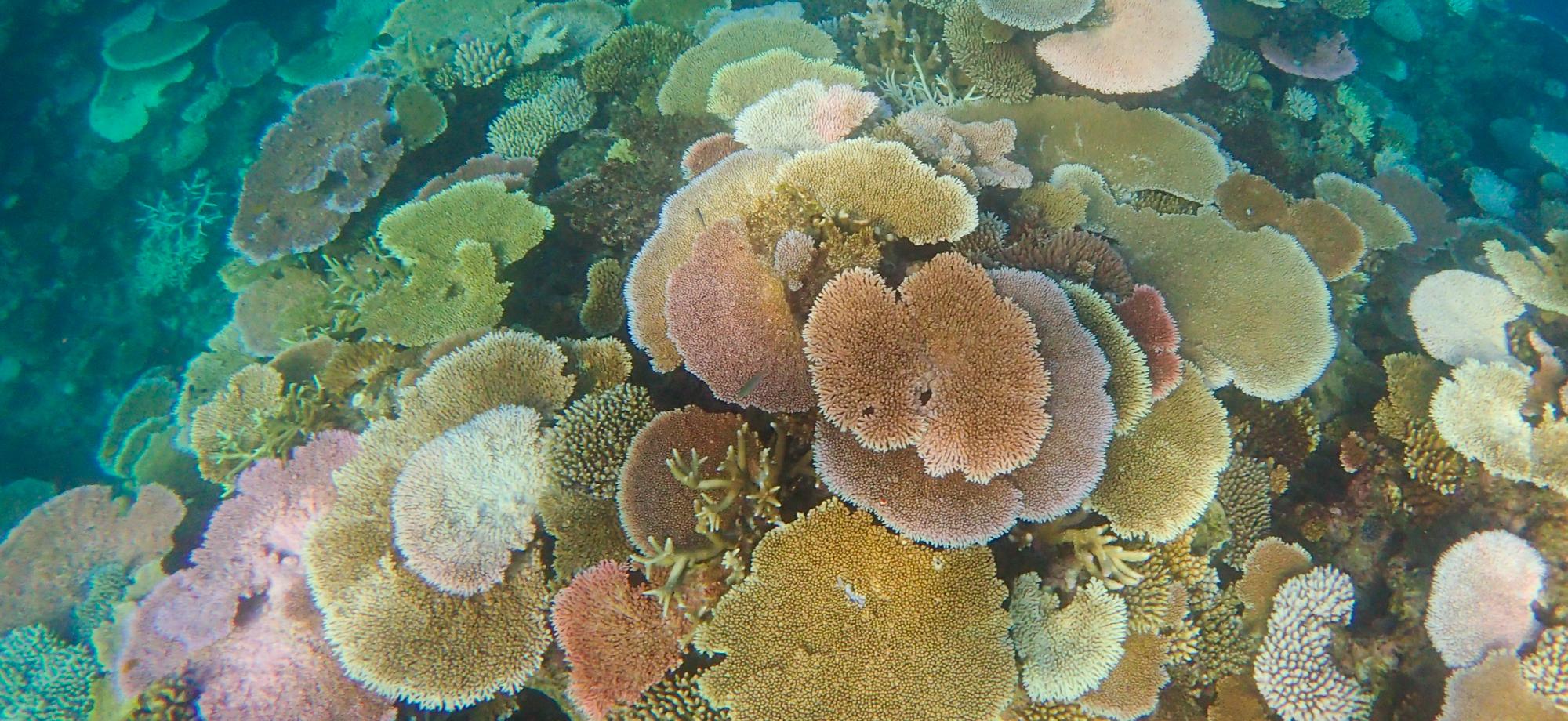
Risk Status: STABLE

This indicates the current physiological state of the reef. Stable means the symbiotic bond between the coral and algae is intact, with no immediate threat of thermal stress.

Recovery Est: —

Estimated time for a reef to regrow after a bleaching event. A dash (—) indicates that because the reef is currently healthy, no active recovery period is required.

Impact Severity: 0%

The percentage of coral colonies showing signs of stress or tissue loss. 0% represents a baseline environment where the ecosystem is thriving without external damage.

ANALYTICS ENGINE
HEALTH REPORT
0%
IMPACT
STABILITY OPTIMAL
Risk: STABLE
Severity: 0.00%
System: Baseline Normal

System Warning: Stressed

Risk Status: STRESSED

Minor thermal stress detected. The symbiotic bond is weakening, and algae expulsion may begin. This is a critical window for intervention.

Recovery Est: 3-6 Months

If water temperatures return to normal immediately, the coral can re-absorb algae. Full biological stabilization is estimated to take one to two quarters.

Impact Severity: 17%

Roughly one-sixth of the local colony is showing physiological signs of heat strain. Recovery is highly likely if cooling occurs soon.

CAUTION ADVISED
STRESS DETECTED
Stressed
Status: STRESSED
Severity: 17.00%
Elevated Surface Temps

Bleaching Alert: Level 1

Risk Status: ALERT L1

Significant thermal stress is occurring. This level indicates widespread bleaching across vulnerable coral species as they lose their primary energy source.

Recovery Est: 2-6 Years

The damage at this stage is deep. Even if temperatures drop, the metabolic strain requires several years for the tissue to fully regenerate and for algae populations to stabilize.

Impact Severity: 48%

Nearly half of the colony is visibly bleached. The ecosystem is now highly susceptible to disease and secondary mortality if the heat persists.

CRITICAL THREAT
THERMAL ALERT
Bleaching Alert
Alert: LEVEL 1
Impact: 48.00%
Severe Bleaching Underway

Critical Alert: Level 2

Risk Status: CRITICAL

This is the highest level of threat. Mass coral mortality is expected. The ecological collapse of the reef structure is imminent as polyps begin to die off.

Recovery Est: 15+ Years

Recovery at this stage requires total ecosystem regeneration. It takes over a decade for new larvae to settle, survive, and rebuild the calcium carbonate framework.

Impact Severity: 89%

Almost the entire colony is decimated. Permanent loss of biodiversity is likely, as the reef can no longer support the 25% of marine life that depends on it.

SYSTEM CRITICAL
ECOSYSTEM COLLAPSE
CRITICAL
Risk: CRITICAL
Impact: 89.00%
Irreversible Damage Likely

The Vital Importance of Coral Reefs

Often referred to as the "Rainforests of the Sea," coral reefs are among the most diverse and valuable ecosystems on our planet.

🐠

Biodiversity Hotspots

Reefs provide a home for 25% of all known marine species. Thousands of types of fish, mollusks, and sea turtles depend on these structures for food and shelter.

🛡️

Natural Storm Barriers

By absorbing 97% of wave energy, reefs prevent coastal erosion and protect millions of people from storm surges, tsunamis, and flooding.

💰

Global Economic Support

Reefs contribute billions to the global economy through tourism, recreation, and commercial fishing, supporting over 500 million livelihoods worldwide.

🧪

Pharmacy of the Sea

Compounds found in reef organisms are critical in developing treatments for cancer, Alzheimer's, and heart disease, offering medical breakthroughs.

🌱

Climate Regulation

Corals help regulate ocean chemistry by sequestering carbon and managing the calcium balance, playing a small but vital role in our global carbon cycle.

💧

Natural Water Purifiers

Many reef organisms are filter feeders, consuming particles and keeping the surrounding ocean water clear and nutrient-balanced for other life.