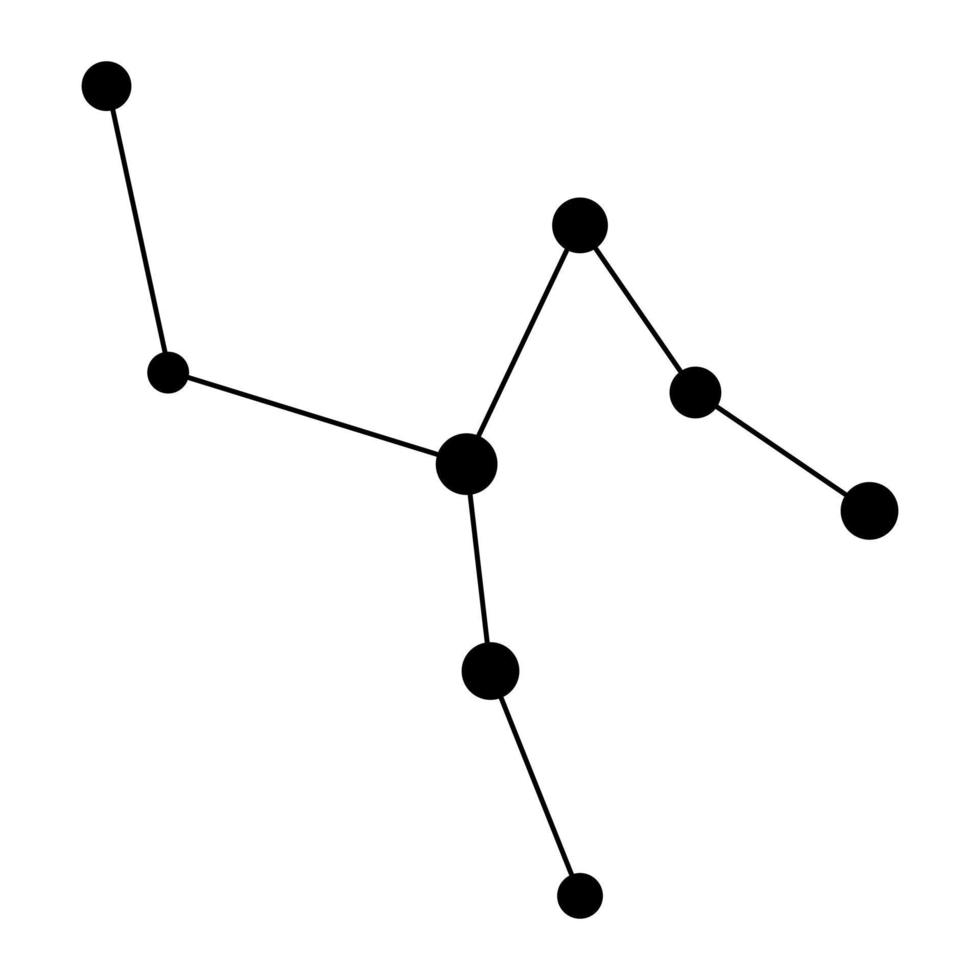
Constellation Camelopardalis
CAMELO RISE
THE GIRAFFE
The Giraffe
Camelopardalis is a large but faint constellation in the northern sky. Its name comes from the Greek words for "camel" and "leopard" because of its spotted coat and long neck.
A yellow supergiant (Mag 4.03).
Covering 757 square degrees.
Camelop Sync
Circumpolar Grid Mapping. Analyzing the sparse magnitude constant of the northern giraffe. The Oat monitors the deep-sky voids to track this sprawling 17th-century vector.
- 🦒 Identity: The Giraffe (Camel Leopard).
- 🗺️ Origins: Petrus Plancius (1613).
- 🔭 Nature: 18th Largest yet faint Northern Vector.
Plancius Sync
Void-Filler Mapping. Analyzing the 1612 Plancius cartographic constant. The Oat monitors the Ursa-Cassiopeia-Auriga gap to track this non-mythological northern vector.
- 📜 Origin: 1612 Petrus Plancius Celestial Globe.
- 📍 Buffer: Fills the void between Major Titans.
- 🦒 Mythology: Purely Descriptive Modern Construct.
Beacon Sync
High-Luminosity Node Mapping. Analyzing the Beta Camelopardalis supergiant constant. The Oat monitors the Alpha blue-shift to track this 6,000 light-year northern vector.
- 🌟 Beta Cam: Primary Yellow Supergiant Node.
- 💠 Alpha Cam: Rare O-type Blue Supergiant.
- 🔭 Distance: Deep-Field Sync (6,000+ LY).
Cascade Sync
Deep-Sky Geometry Mapping. Analyzing the Kemble's Cascade linear constant. The Oat monitors the NGC 2403 spiral rotation to track this 20-star binocular vector.
- 🌌 NGC 2403: H-II Rich Intermediate Spiral Node.
- 📉 Kemble's Cascade: 20-Star Linear Asterism.
- 🔭 Optics: High-Definition Binocular Sync.
Legacy of the Giraffe 📜
Paper
CAMELOPARDALIS SCAN 🦒
Objective: 10-Item Faint Field Calibration.
Sources
BETA CAMELOPARDALIS
The brightest star in this faint constellation is a yellow supergiant. It is roughly **870 light-years** away and is about 3,300 times more luminous than the Sun.
BETA DATANGC 2403
A magnificent intermediate spiral galaxy. It is an "outlying" member of the M81 group and was the first galaxy outside the Local Group to have a Cepheid variable discovered.
DEEP SKYKEMBLE'S CASCADE
A famous asterism consisting of a straight line of about 20 colorful stars ending near the open cluster NGC 1502. It looks like a waterfall through binoculars.
ASTERISM INFOAnnotated Chart

Visualization identifying Kemble's Cascade and the location of NGC 2403.
Primary Stars
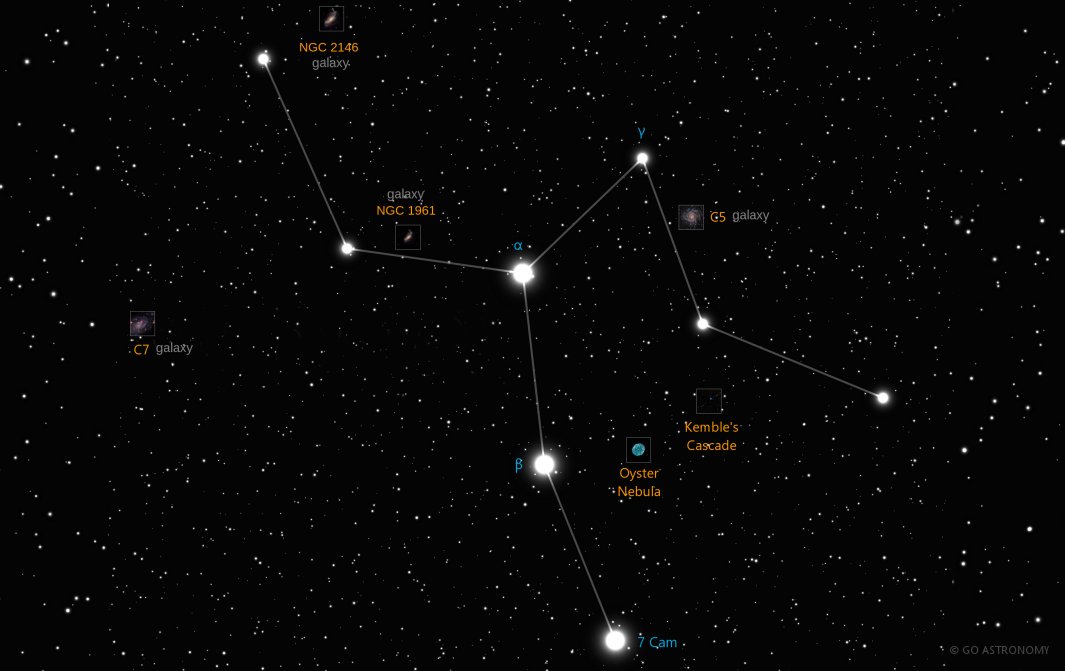
Highlighting Beta Camelopardalis, the brightest star in this sprawling constellation.
Celestial Position
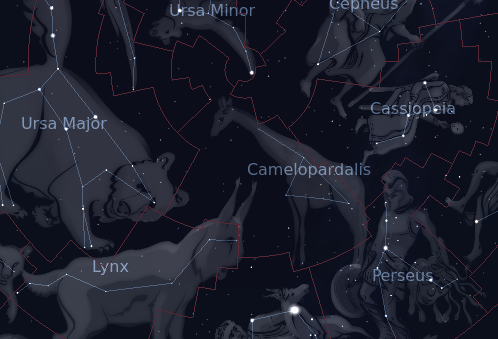
A wide-field map showing its proximity to the North Celestial Pole.
Camelopardalis Star Catalog
β Cam (Beta Camelopardalis) — Mag: 4.03
CS Cam — Mag: 4.21 (Variable)
α Cam (Alpha Camelopardalis) — Mag: 4.26
BE Cam — Mag: 4.39 (Variable)
7 Cam — Mag: 4.43